How to Build a Balanced Plate at Home
Building a Balanced Plate
Creating a balanced plate at home can have a big impact on your health and well-being. It's all about getting the right nutrients in the right amounts. Here’s a simple guide to help you build nutritious meals that satisfy both your taste buds and your body’s needs.
Understanding the Components of a Balanced Plate
A balanced plate includes a variety of food groups. Here’s what to consider:
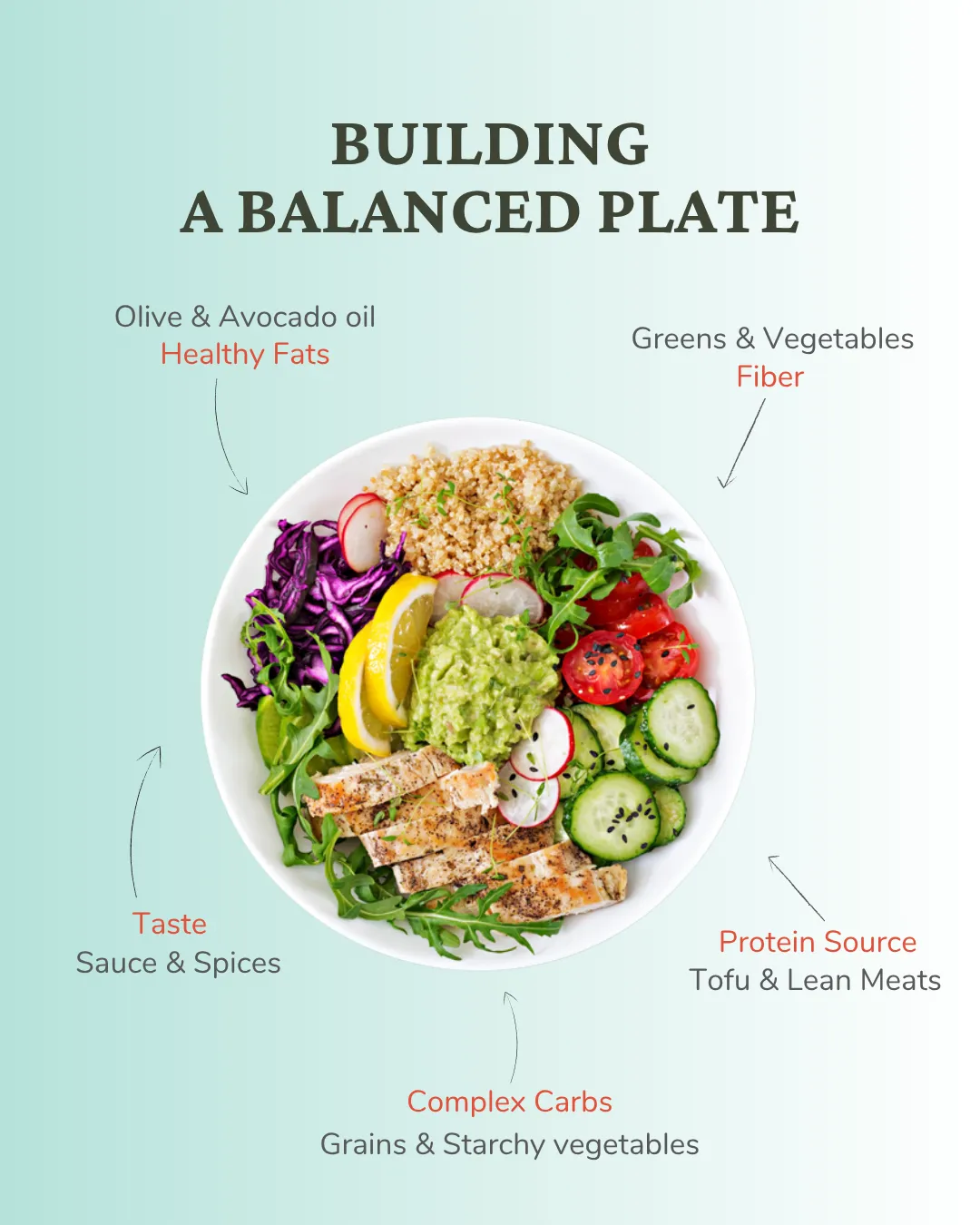
- Healthy Fats: Include sources like olive oil and avocado oil. These help your body absorb vitamins and keep your heart healthy.
- Fiber from Greens and Vegetables: Think of dark leafy greens, carrots, and peppers. Fiber aids in digestion and helps you feel full.
- Taste with Sauce and Spices: Use herbs and spices to enhance flavor without extra calories.
- Complex Carbs: Opt for whole grains like quinoa and starchy vegetables like sweet potatoes. These provide long-lasting energy.
- Protein Source: Choose lean meats or plant-based options like tofu. Protein is essential for building muscles and repairing tissues.
Step-by-Step Guide to Building Your Plate
Follow these steps to create meals that are as balanced as they are delicious:
- Select Your Protein: Start with proteins such as grilled chicken or tofu. Aim for the size of your palm.
- Add Complex Carbs: Fill a quarter of your plate with brown rice or quinoa. These will give you the energy needed throughout the day.
- Incorporate Vegetables: Load up half your plate with a colorful array of greens and veggies. They are essential for vitamins and minerals.
- Include Healthy Fats: Drizzle a small amount of olive oil on your salad or cook with avocado oil.
- Enhance with Flavor: Add a dash of your favorite spices or a sprinkle of lemon juice to brighten your dish.
Why a Balanced Plate Matters
Balancing your meals helps regulate blood sugar, supports healthy weight, and reduces the risk of chronic diseases. It also keeps your energy levels consistent, preventing afternoon slumps.
Tips for Maintaining Balance
- Variety is Key: Try to mix up the types of proteins, vegetables, and grains you eat each week.
- Portion Control: Be mindful of portion sizes, especially when it comes to grains and proteins.
- Listen to Your Body: Pay attention to hunger and fullness cues. Eat when you're hungry, and stop when you're satisfied.
Final Thoughts on Balanced Eating
Remember, the goal is to nourish your body with a range of nutrients. The more colorful and diverse your plate, the more likely you are getting all the nutrients you need. Making small changes can lead to big health benefits over time.
Start today by planning your next meal using these tips, and enjoy the journey to better health. A balanced plate is not just about food; it's about fostering a harmonious lifestyle.